Practice Research Developments and Considerations
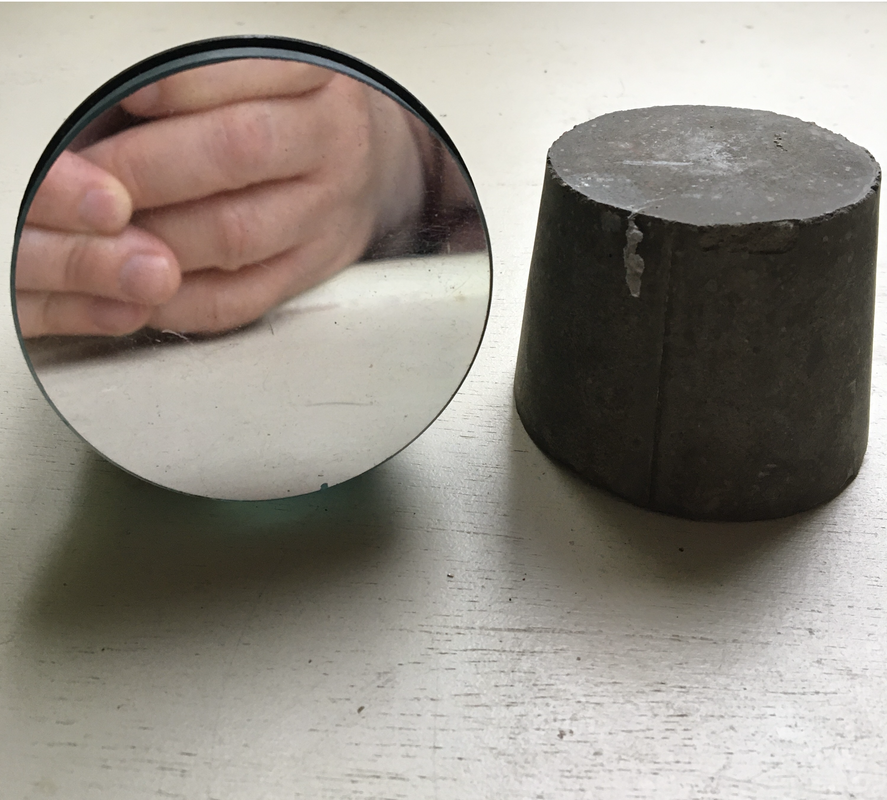

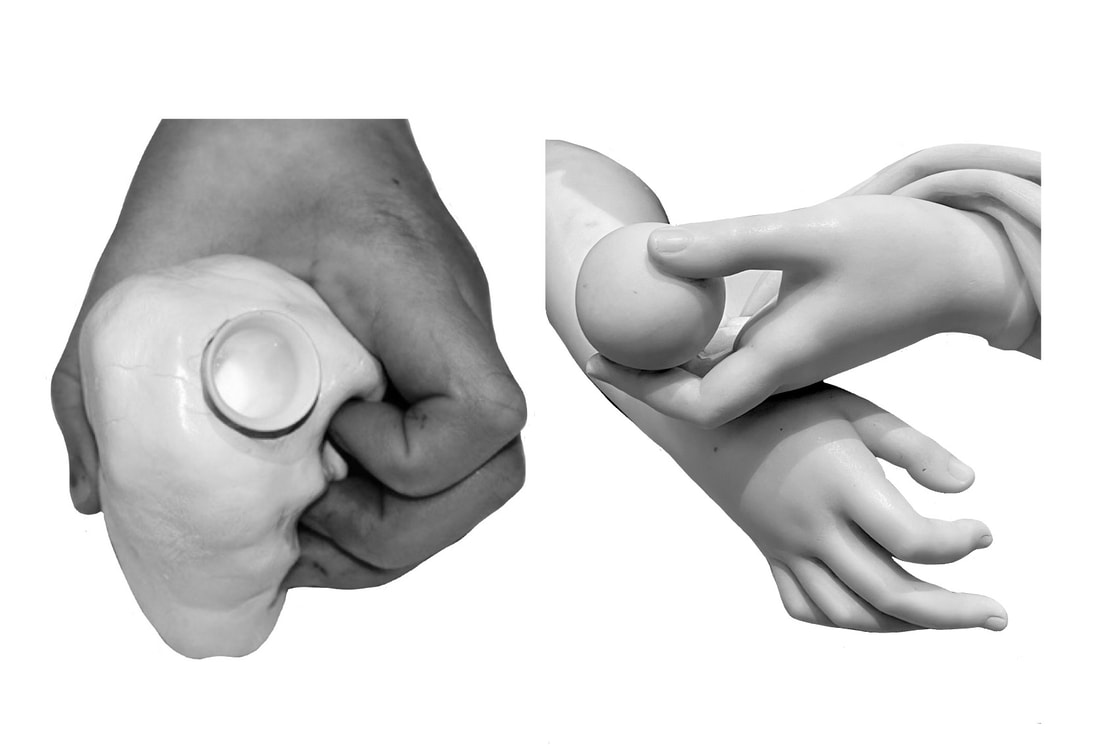 Responding to Merleau Ponty’s (2012) ideas of how we can intensify our ways of perceiving in the particular spaces of the (art) museum, Hubert Dreyfus suggests that ‘without our embodied ability to grasp meaning, relevance slips through our non-existent fingers’ (1998, p.11). If we literally hold onto ideas through an alternative interpretative engagement (with existent fingers), can the matter of these objects (when considered in proximity to exhibited artworks) potentially interrupt habitual perception and extend visual literacies? A move away from familiar trajectories of understanding towards less stable and more subjective diverse ways of knowing.
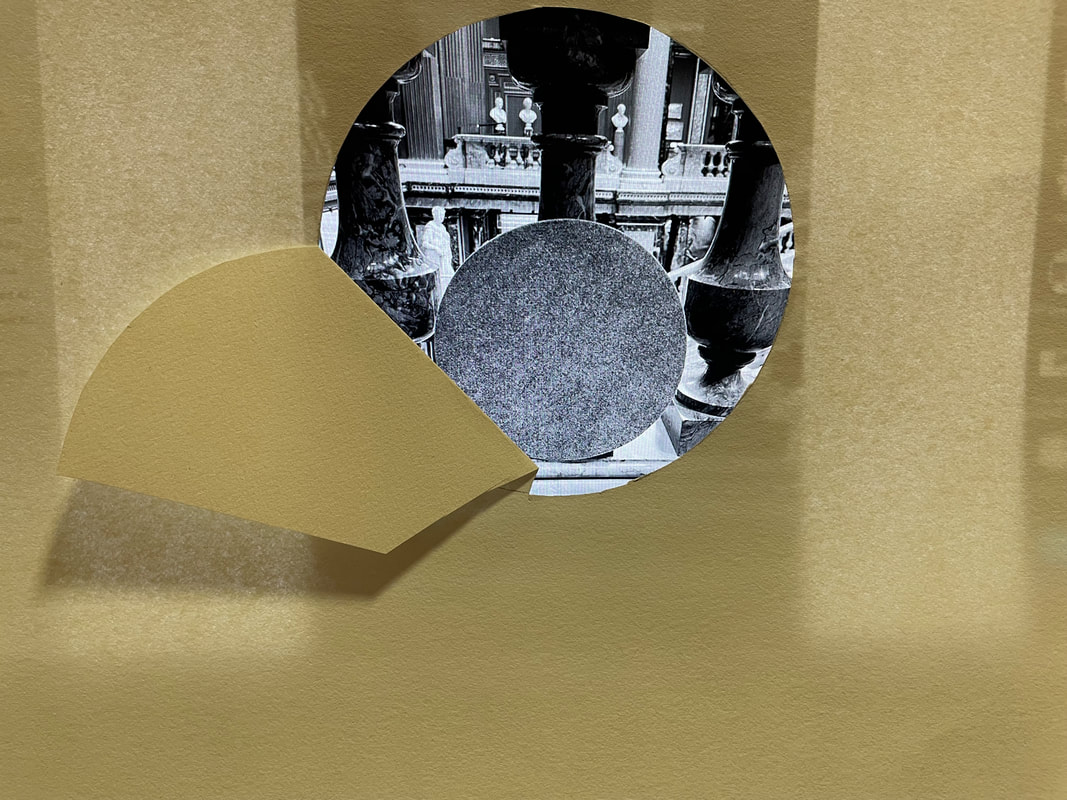 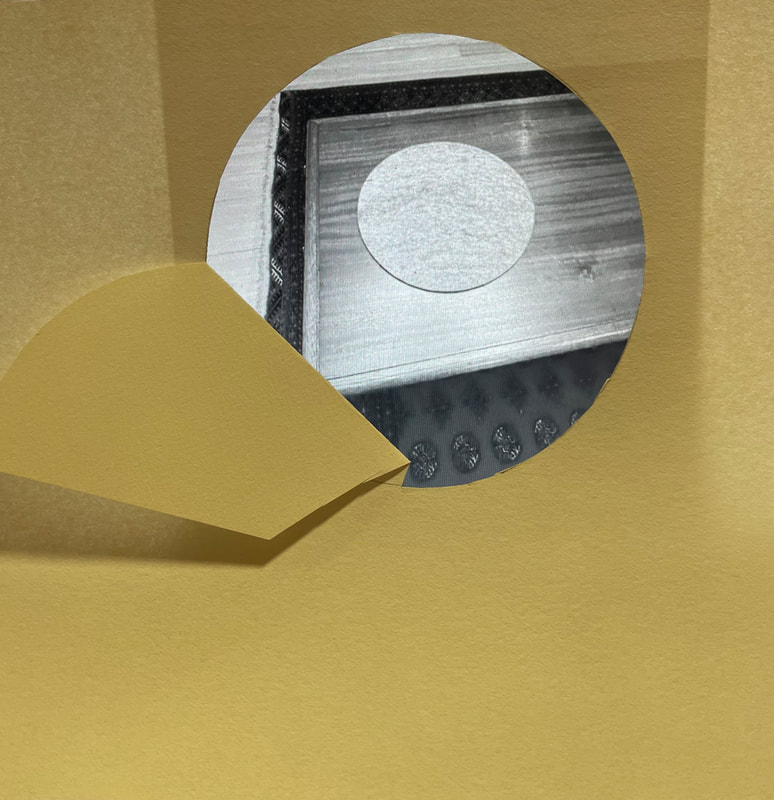 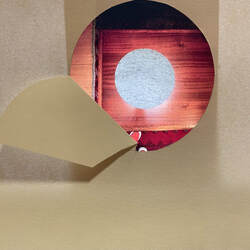
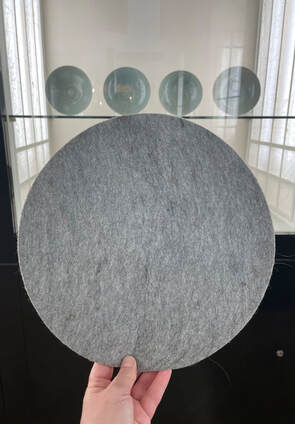
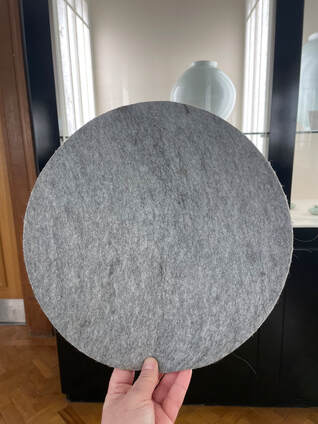
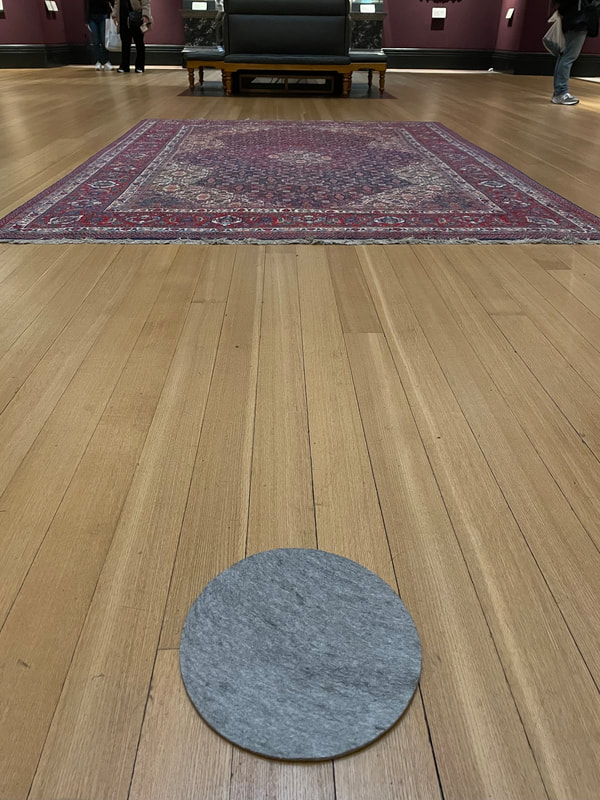 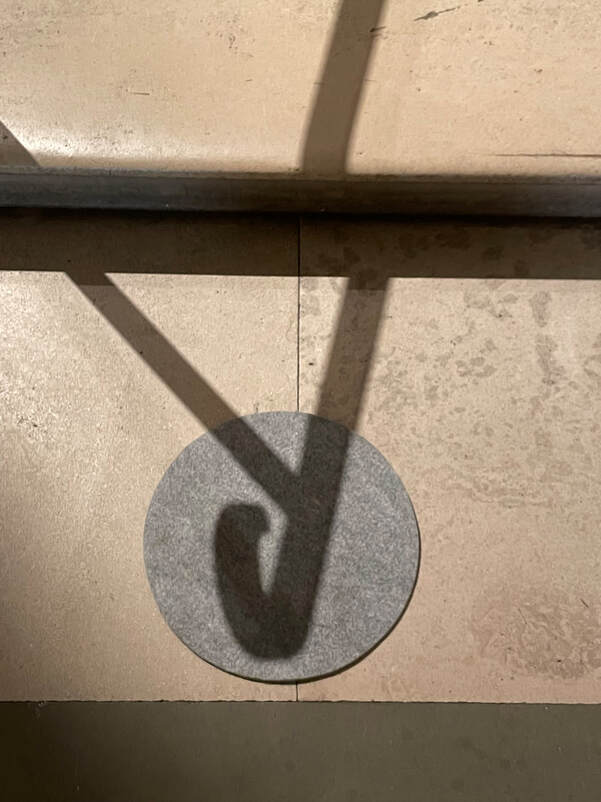 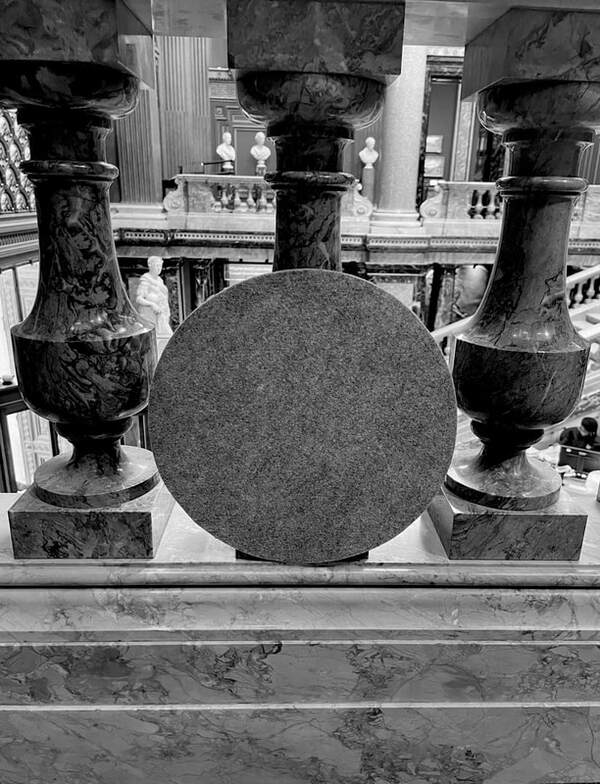 There are times in the museum/art museum when you become aware of where you need to put your body, and where your body is in relation to others, be they people, images, objects, architecture, signage ........ I started to feel the intensity of what surrounded me and at these times it is easy to become more passive and to stop looking or engaging with attention and curiosity. The spaces can pass by, you can drift, ideas not permeating deeply but rather grazing the surface of you or your thinking. Rather than the lens of the 'pedagogical art object' I started to blank areas out, really simply with a felt disc. It was like a moment of saying 'shhhhh' to the surrounding of opulence, significance, history, meaning. In that moment of observation I wanted to blur my focus slightly or create a different focus. A temporary breath. Even the shadows recast themselves onto the disc- and I enjoyed the stubbornness of it.
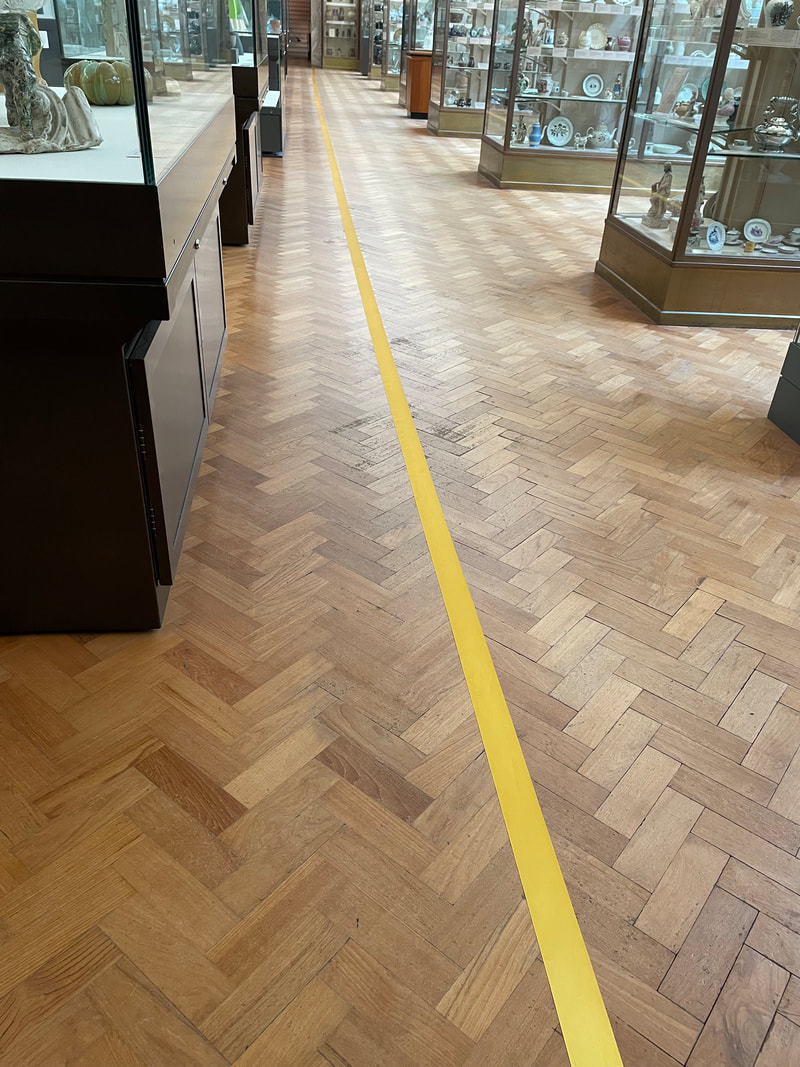
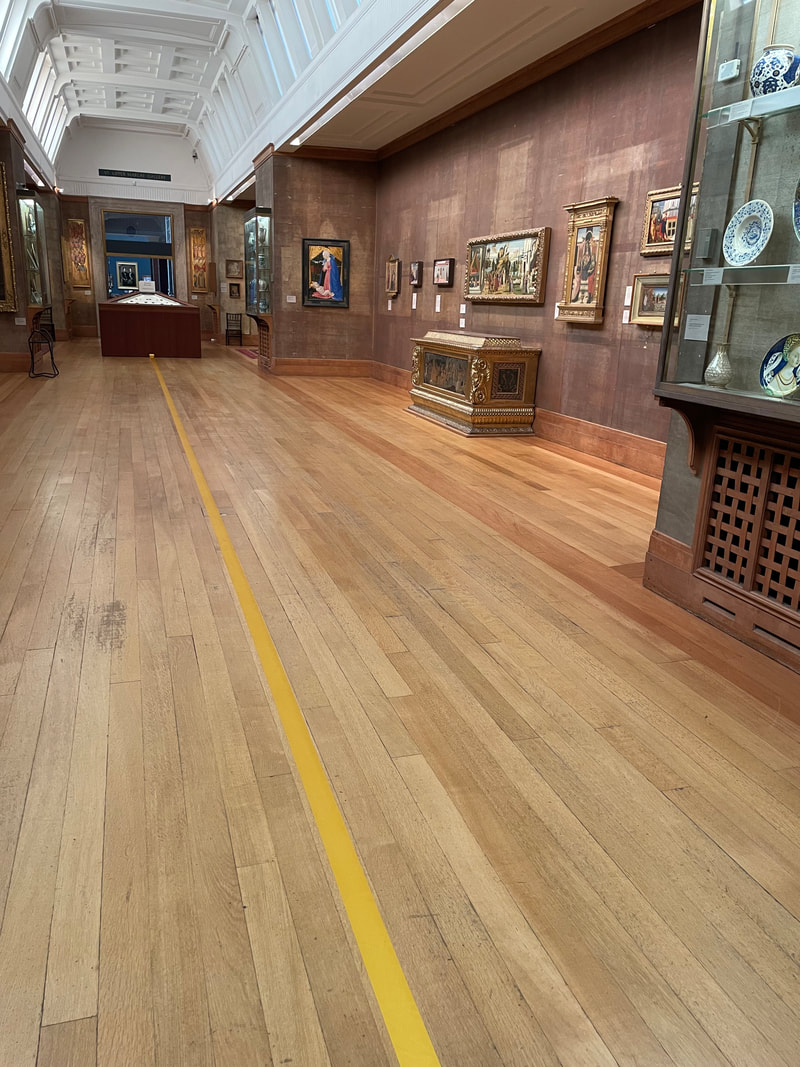
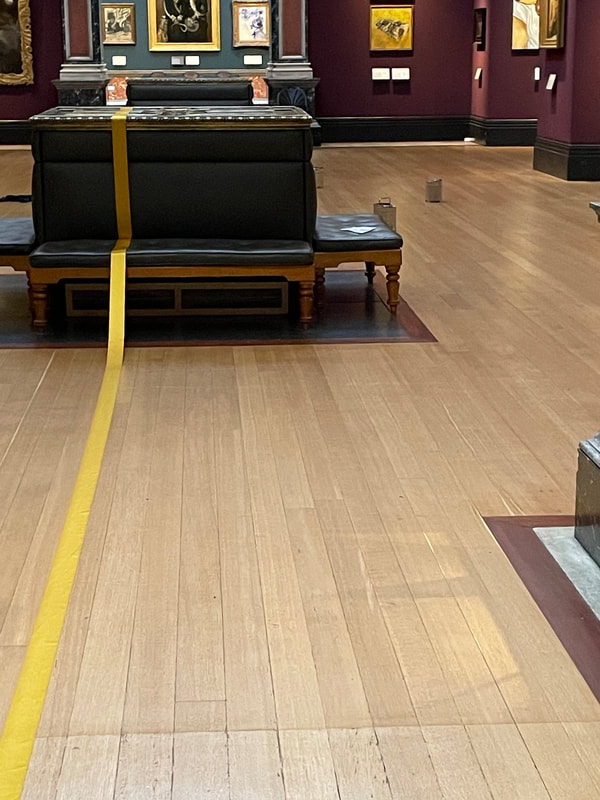
I have started to see the gaps be it physical or conceptual between the things I am asked to view-it is these in-between spaces that hold significance for me - they are a space to fill with subjectivity, with speculation and provocation. 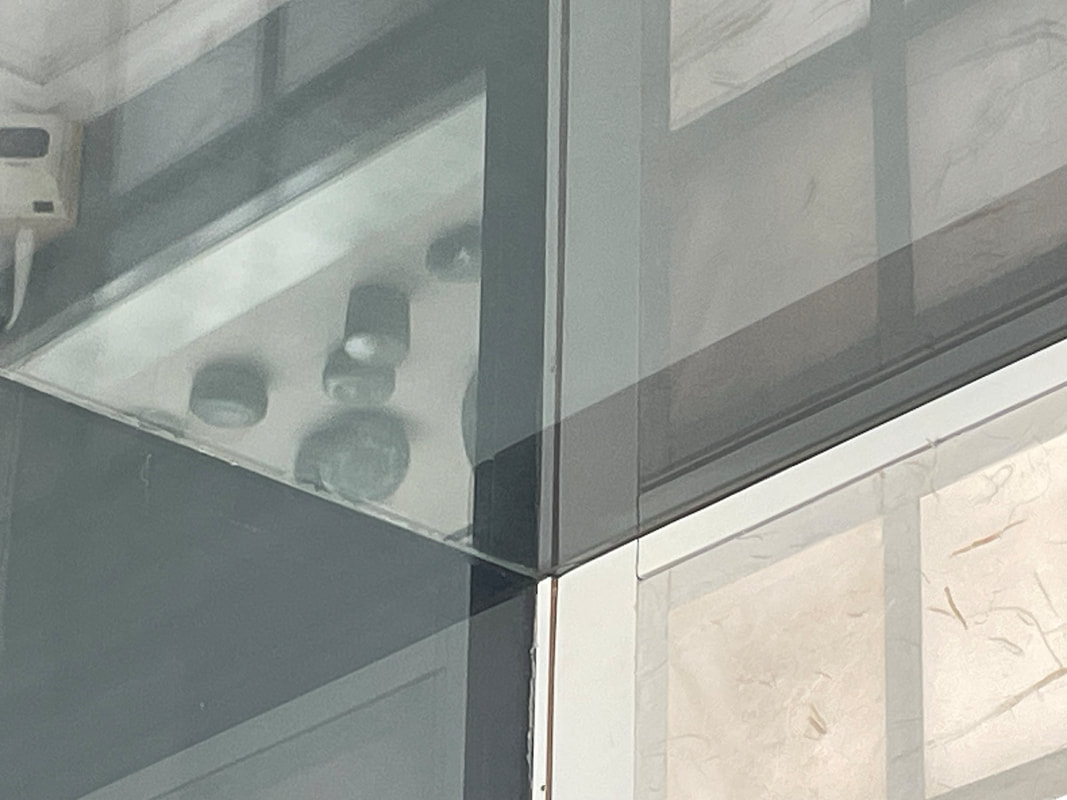 I have started the week with many interesting conversations - practice- research- material knowledges- object connections- collection connections- fabric etching- conservation- suspended objects - material hierarchies. I have been making images by questioning what I am encountering in the galleries - what should I see - what do I see- what catches me out and changes my focus. The multiple screens - glass and lens - reflectors and protectors provide visual complexity. a virtual material presence and absence. In my Phd thesis I found Brian Massumi critical in this questioning of what our encounters can be.... In Massumi’s writings on the encounters with exhibited artworks, he suggests that the viewer perceives work, textures, shapes, and material through a form of ‘kinaesthesia’, a sensory act that ‘can relay into touch’ (Massumi, 2013). This relay forms a circuit or transmission between the potential of what the body perceives and the potential for an engagement that is more physical and embodied. What is significant to performativity is that Massumi positions potentiality at the core of the encounter and argues that the virtual exchange and the lack of physical relations keeps the artwork/thing full of virtual possibilities, and the ‘potential our body holds to walk around, take another look, extend a hand and touch’ (2013). Massumi is not referring to the physicality of touch but rather its perceived potential and, whilst there may be the opportunity to ‘take another look’, there is a likelihood that any proximity would be discouraged in the art museum unless the work is directly framed for interaction. It is arguably important that the visible and invisible boundaries around particular exhibits are understood as relevant and appropriate, allowing artworks to survive beyond the limitations of their durability.[1] Whilst this protection of valuable artworks is understood, it is interesting to consider Massumi’s ideas of a virtual relationship with the materials. He questions what kind of relationships with artworks are prevented by these material limitations, an experience where, ‘the relays of touch and kinaesthesia will not take place’ (2013, p.44). A space where the materiality is encountered through a non-material relationship. Massumi argues that the potentials that are present within the artwork can only be accessed or ‘appear’ visually. These potentials are the habitual and traditional ways of participating with forms of artwork where viewers are removed from inhabiting the same space as the material, behind an imagined line, or physical boundary. The material encounter that Massumi suggests is held almost entirely by the visual potentiality of the work and, as a consequence, Vervoet’s ‘visible staging’ of pedagogy (2001), remains distanced. As museum visitors, we do not witness the prospective touch as it happens; rather, we witness a collection of evidence that suggests prospective touch happened. (Dargaj, 2011, p.30) [1] This is with the understanding that some artworks can be interacted with, but this comment is connected to conventional ways of looking. 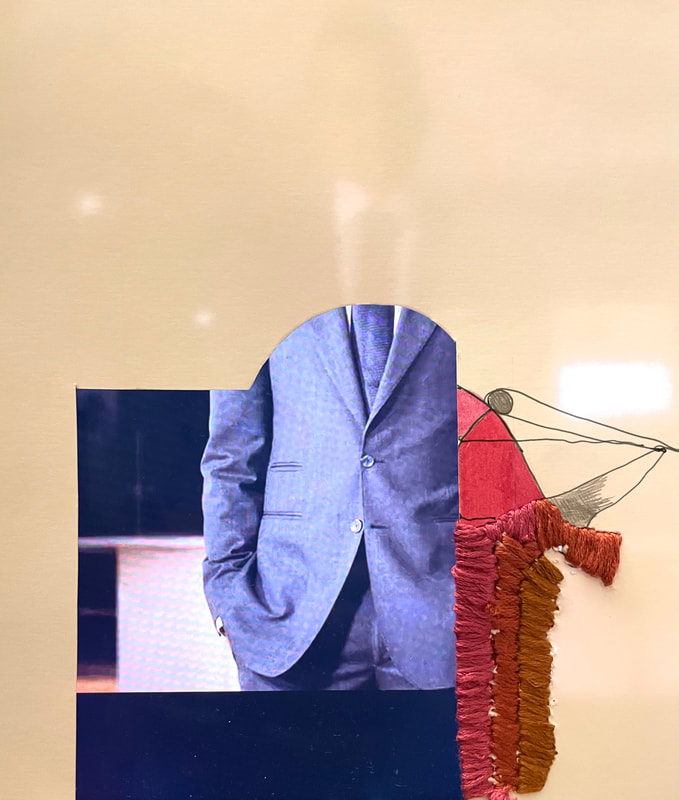 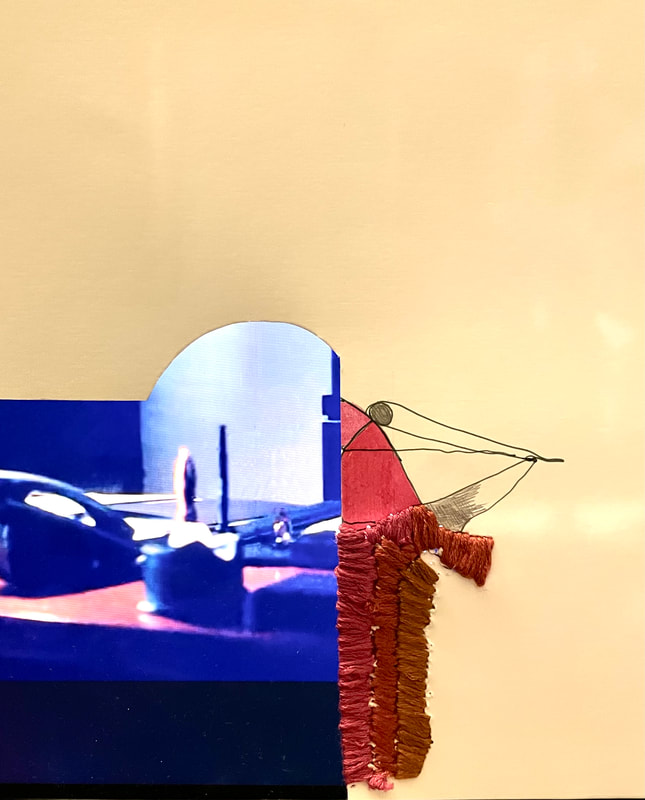 |
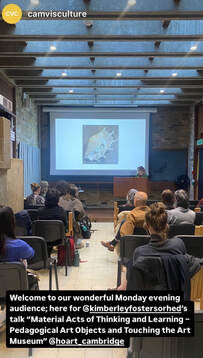
Dr. Kimberley FosterKimberley Foster is an artist and lecturer and a Cambridge Visual Culture Visiting Research Fellow 23/24. Her PhD practice research; Material Acts of Thinking and Learning in the Art Museum. Embodied Encounters and the Pedagogical Art Object focused on material engagements at Tate Modern and Sainsbury Centre UEA. She has a collaborative practice as sorhed (www.sorhed.com) and works extensively with exhibitions and collections. Kimberley is the Head of Programme for the MA in Arts and Learning at Goldsmiths, University of London. Archives
April 2024
Categories |
 RSS Feed